Students Explore Living Breakwaters, Marine Life, and Coastal Restoration on Staten Island
Students Explore Living Breakwaters, Marine Life, and Coastal Restoration in Staten Island
By Bryan Tomlinson
Board Member, The Sandy Ground Historical Society.
Date: May 13
A Hands-On Day of Learning at Robinson Beach
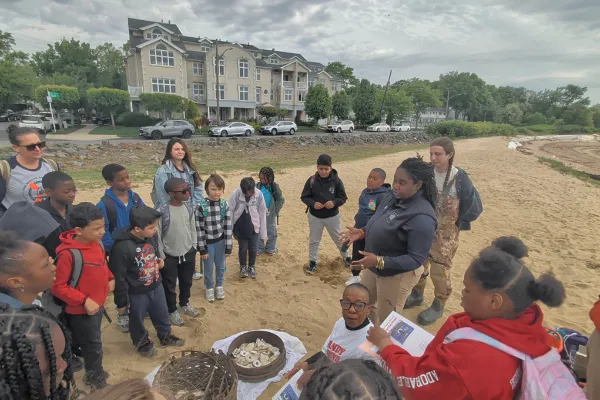
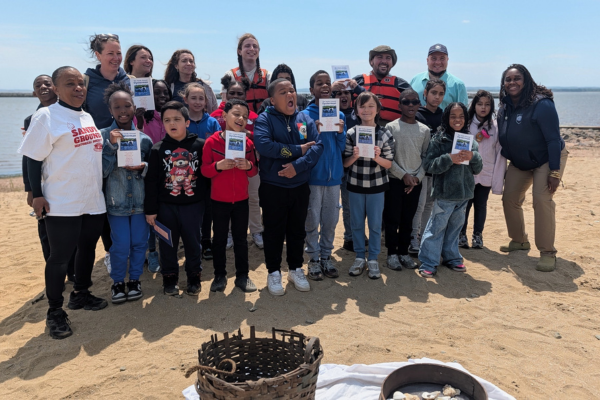
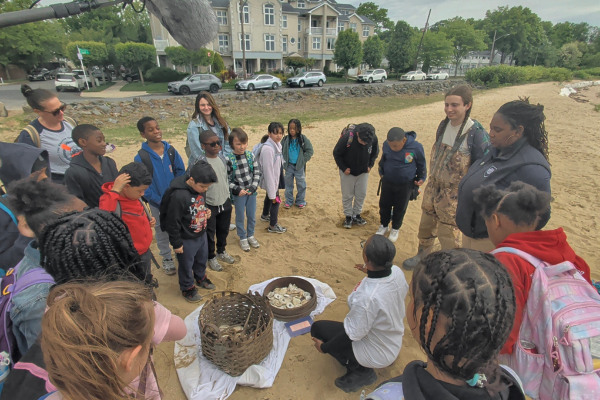
On May 13, students from P.S. 59 The Harbor View Elementary spent an unforgettable day on the shores of Robinson Beach in Staten Island, learning firsthand about coastal protection, marine ecosystems, and local history through an educational outing led by the Billion Oyster Project and The Sandy Ground Historical Society.
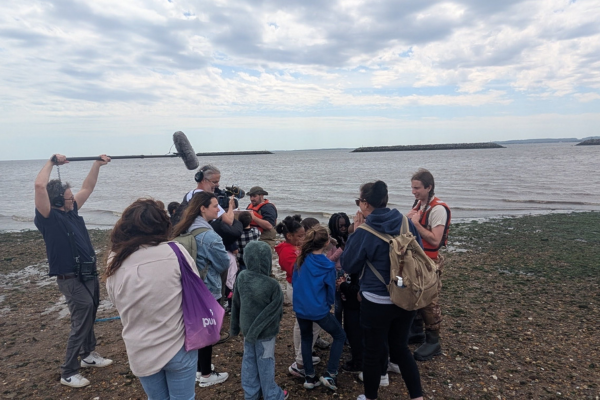
The American Museum of Natural History also documented the experience as part of ongoing efforts to capture and share educational experiences focused on environmental science, coastal restoration, and community learning.
Learning About Living Breakwaters
The day focused on the Living Breakwaters installed by the Billion Oyster Project. These specially designed breakwaters were created to help reduce the impact of storm surges and strong waves during major weather events like Hurricane Sandy. By helping break up powerful storm waters before they hit the shoreline, the structures play an important role in protecting coastal communities.
But the breakwaters are doing more than protecting the shoreline. They are also helping create thriving marine ecosystems.
Discovering Marine Life Along the Shoreline
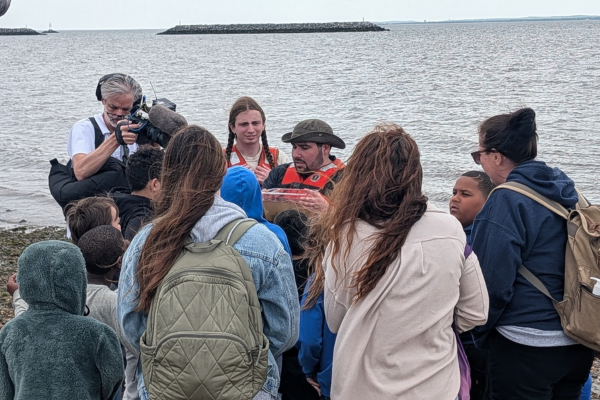
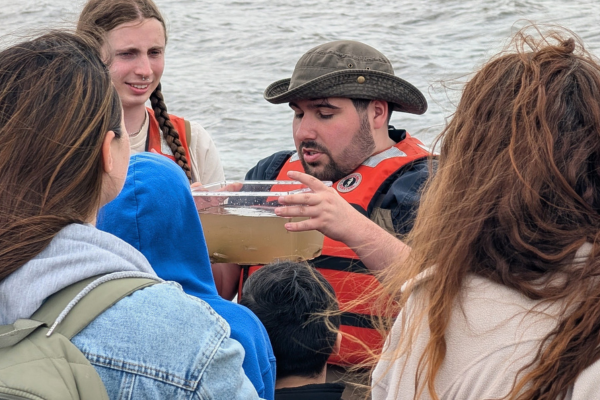
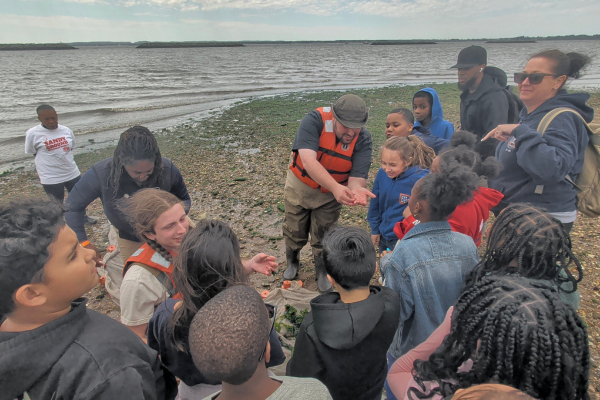
During the field experience, students explored the shallow waters and quickly discovered how much sea life now exists around the restored habitat. With just a simple swipe of a bucket through knee-deep water, the group found crabs and other marine creatures.
Members of the Billion Oyster Project team then went deeper into the water with nets and returned with shrimp, crabs, and additional sea life for the students to observe up close.
Seeing Restoration in Action
The students were amazed to see how much life had developed around the breakwaters. They also learned how oyster restoration projects can improve water quality, support biodiversity, and strengthen coastal habitats.
Connecting Environmental Learning to Sandy Ground History
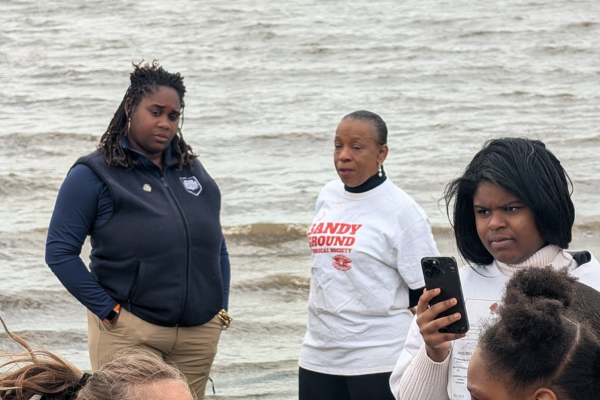
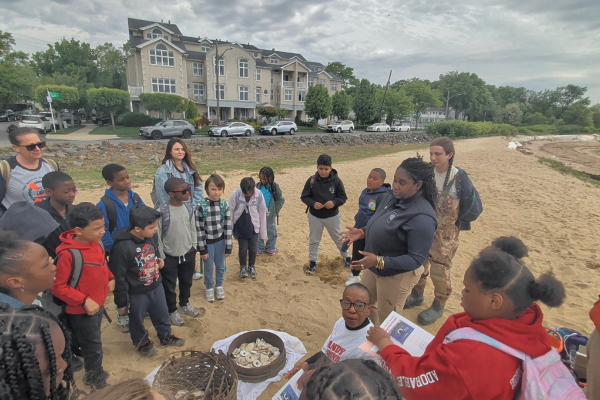
After the marine exploration, Julie Moody Lewis from The Sandy Ground Historical Society shared important local history with the students. Bryan Tomlinson Board Member, and Sky Bascom, a youth volunteer, were in attendance as well.
Julie introduced the children to oyster baskets more than 100 years old and explained the rich oyster harvesting history connected to the Sandy Ground community in Staten Island and the surrounding waters.
Preserving History Through Education
Each student also received literature about the history of oystering in the Sandy Ground community, giving them an opportunity to continue learning beyond the field trip.
This connection between the shoreline, oyster restoration, and Sandy Ground’s community history helped students understand that local history is not separate from the land and water around them. It is part of the same living story.
Where Nature, Conservation, and Community Heritage Meet
From environmental science to local history, the day provided students with a unique hands-on learning experience that connected nature, conservation, and community heritage along the shoreline of Staten Island.
It was a great day of learning, discovery, and exploration, proving that some of the best classrooms can be found right along the water’s edge.
Support Educational Programs Like This
To support educational programs, preservation efforts, and community history projects like this, please consider supporting The Sandy Ground Historical Society.
